
MOGADISHU — The Somali government has announced a new timeline for the relaunch of the national carrier, Somali Airlines, targeting mid-September 2026 for the first commercial flights. This marks the latest attempt to revive the airline, which ceased operations in 1991 during the collapse of the central government.
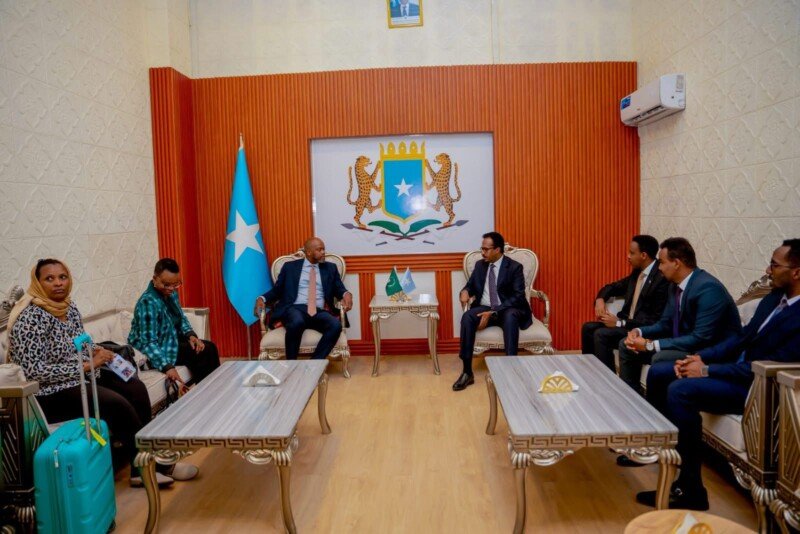
Ahmed Moallin Hassan, Director General of the Somali Civil Aviation Authority (SCAA), confirmed that preparations for the revival have entered their final phase. “Somali Airlines is in the final stage,” Hassan said during a government meeting. “The first flight, I think, will start in September this year, God willing, we will begin.” The announcement was made during a government review of Somalia’s 2022–2026 performance report.
A History of Delayed Revivals
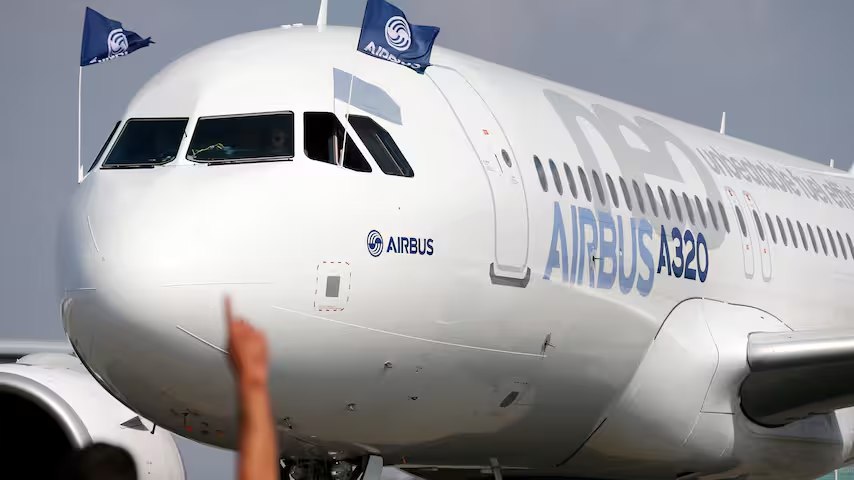
The relaunch of Somali Airlines has been repeatedly postponed. In July 2025, the government signed an agreement with the Lima Air Group to lease-purchase two Airbus A320 aircraft for the fleet. At that time, officials indicated that operations would commence within months. A subsequent announcement in October 2025 set a target for flights to begin by the end of that year.
The airline, originally established in 1964, once connected Mogadishu to regional hubs like Nairobi and Dar es Salaam as well as international destinations including Rome and Frankfurt. Its operations halted in the first week of January 1991 as civil war engulfed the capital.
Airport Upgrades and Regional Competition
The government is undertaking infrastructure upgrades to support the revived airline. Aden Adde International Airport in Mogadishu is being modernized in partnership with Turkish company Favori LLC, which has managed the airport since 2013. The government also has plans to rehabilitate 15 of the country’s 72 airports to meet international standards. The SCAA has invested in aviation infrastructure since Somalia regained full control of its airspace in 2018. Hassan stated that aviation services currently generate approximately $20 million annually, with further modernization expected to increase annual revenue to nearly $52 million.
Somalia’s international aviation market is also expanding, with foreign carriers preparing to enter the market. SalamAir of Oman is set to begin twice-weekly direct flights between Muscat and Mogadishu starting September 3, 2026. RwandAir is expected to commence operations in November, while Saudi Arabia’s Flynas is also reportedly preparing flights to Somalia.
Challenges and Critical Considerations
While the revival of Somali Airlines is being presented as a symbol of national recovery, significant challenges remain. The SCAA recently faced scrutiny over financial oversight. An Auditor General’s report highlighted a discrepancy of approximately $3.27 million in revenue from Aden Adde International Airport’s concession agreement with private operator Favori LLC. The audit also found procurement agreements worth $2.07 million that were not registered with the Auditor General’s office, weakening transparency and accountability.
Questions also persist about the airline’s operational readiness. Previous deadlines have lapsed, and establishing a commercial airline requires more than acquiring aircraft. The airline must meet safety and regulatory requirements, secure necessary approvals, and ensure qualified personnel are in place for operations, maintenance, insurance, and flight planning. No specific routes, ticket pricing, or details on the permanent acquisition of the leased A320 aircraft have been disclosed.
Critical Note
The government’s announcement of a September relaunch for Somali Airlines is a bold statement of intent, yet it comes against a backdrop of repeated delays and outstanding governance challenges within the aviation sector. While the return of a flag carrier may boost connectivity and national pride, the government’s narrative of seamless progress obscures the considerable operational, financial, and regulatory hurdles that lie ahead. The gap between official announcements and the complex reality of rebuilding a national airline remains a persistent theme. For the revival to be sustainable, it must be underpinned by transparent financial management and a clear, achievable operational plan, rather than serving primarily as a symbol of statehood.