
KISMAYO — The Jubaland Ministry of Environment and Climate Change has issued a warning about expected heavy rains and flooding that could affect parts of the federal member state starting from October 2026.
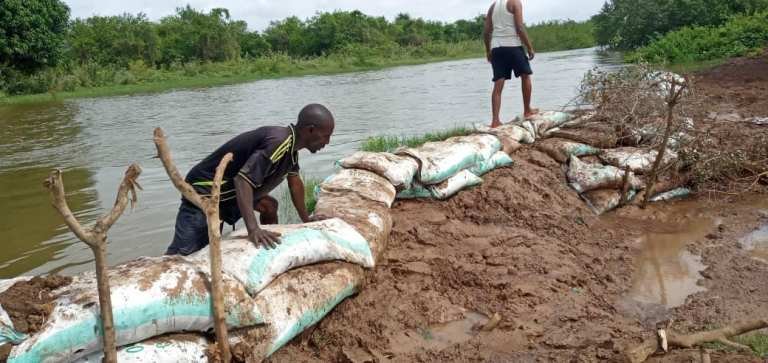
Minister of Environment and Climate Change, Caydiid Suleymaan Xaashi, stated that climate forecasts indicate a growing risk associated with the Deyr rains, particularly those expected in early October. Up to 12 districts in Jubaland could be vulnerable to flooding and heavy rains. Residents living near rivers, waterways, and low-lying areas have been urged to avoid hazardous locations and move to safer areas if conditions worsen.
Climate forecasts also indicate that Somalia could face above-average rainfall from October to December, with the risk of flooding particularly high along the Jubba and Shabelle rivers. The Minister stated that approximately 1.8 million people could be affected by the forecasted rains and floods, with more than 351,000 people potentially displaced if major flooding occurs. He added that nearly 45 health facilities and 10 schools could be at risk if the anticipated floods materialize.
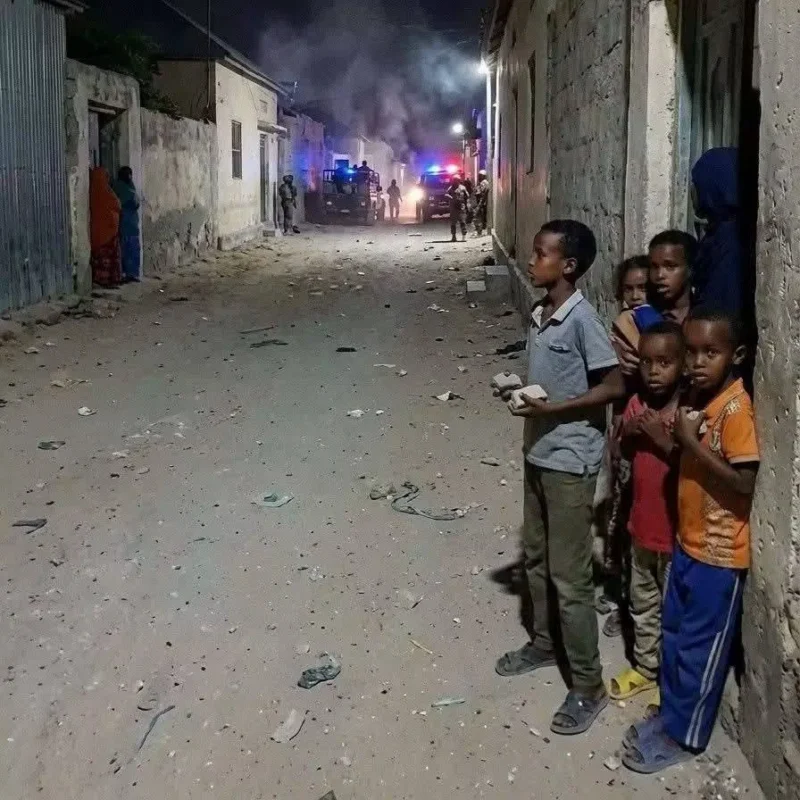
The warning comes as Somalia still remembers the devastating floods of 2023, which caused widespread displacement and significant damage. Somalia faces escalating effects of climate change, including persistent severe droughts and recurrent floods that have detrimentally impacted local communities, disrupted economic activities, and suppressed agricultural output .
The Minister called on the people of Jubaland, both inside the country and in the diaspora, to prepare in advance for the situation, emphasizing the importance of coordination and an emergency response plan for natural disasters. The Minister also criticized the federal government for the lack of support Jubaland received during the drought period, and called on the international community to deliver aid directly to the Jubaland administration. The Ministry has urged government agencies to prepare specific plans to mitigate the impact of floods, particularly in the areas of health, agriculture, livestock, and community protection.
The Minister of Interior, Federal Affairs and Reconciliation has warned the Somali public about the risk of floods and flash floods linked to the anticipated Super El Niño weather phenomenon, urging communities to take precautionary measures and remain vigilant . The warning comes as humanitarian agencies and the government scale up preparedness efforts ahead of the anticipated El Niño rains expected between October and December 2026, with forecasts indicating a high probability that the weather phenomenon will persist throughout the season .
UN agencies have warned that Somalia is facing a rapidly worsening hunger crisis that could push parts of the country toward famine without urgent humanitarian action and increased international funding . The 2026 Somalia Humanitarian Needs and Response Plan is currently only 15.2 percent funded .
SoDMA Commissioner Mahamuud Moalim Abdulle has represented the Federal Government at an African Union virtual meeting focused on preparing for the expected impacts of Super El Niño 2026, warning that Somalia, as the eastern gateway to the continent, is among the countries most vulnerable to the phenomenon’s destructive cycle of floods, droughts and displacement . The meeting, convened by the African Union, brought together member states and development partners to coordinate early warning systems, mobilize anticipatory action funding, and strengthen climate-resilient infrastructure .
Somalia has launched a World Bank-backed Catastrophe Deferred Drawdown Option (Cat DDO) project to strengthen the nation’s ability to respond to natural and climate-induced disasters . The agency has pushed for tech-driven early warning systems to protect communities from recurring natural disasters .
SoDMA and the UN have been conducting regular humanitarian coordination meetings, examining current humanitarian conditions nationwide and exploring methods to enhance relief operations for at-risk populations . These meetings stress the importance of regular coordination in facilitating effective humanitarian aid delivery and addressing the requirements of populations facing drought, displacement, and other humanitarian issues .
WFP and Somalia have unveiled a $1.5 billion Food Security Strategy for 2026-2030, a comprehensive five-year framework aimed at strengthening food security, building resilience, and improving the livelihoods of Somali communities affected by drought, climate change, and conflict . The strategy marks a shift from project-based interventions to integrated, people-centred programming .
The Federal Government has launched a new climate resilience initiative named “Activating Climate Resilient Agricultural Livelihoods in Somalia” (ACALS) to support farmers and pastoralists as the country faces persistent droughts and extreme weather conditions . The program will deliver climate-adapted technologies and livelihood support to vulnerable communities in Hirshabelle and Puntland states, supported by the African Development Bank and implemented jointly by WFP and UNOPS .
Somalia has recently introduced a Multi-Hazard Early Warning System under the global Early Warnings for All framework, collaborating with the United Nations Development Programme and the Green Climate Fund . The initiative aims to reduce disaster-related deaths by 42 percent and extend early warning coverage from 20 percent to complete national coverage by 2030 .
Critical Note
The Jubaland Ministry’s warning about expected floods highlights the recurring nature of climate-induced disasters in Somalia and the urgent need for proactive preparedness. The Ministry’s criticism of the federal government for inadequate support during the drought period reflects ongoing tensions between Mogadishu and regional administrations over resource allocation and disaster response coordination.
While the establishment of the Disaster Volunteer Network and other preparedness initiatives are positive steps, their effectiveness will depend on sustained investment and coordination. The potential displacement of over 350,000 people, as warned by the Ministry, would place additional strain on already overstretched humanitarian resources, with communities in Jubaland still recovering from the devastating floods of 2023.
The rhythm of Somalia’s climate response has become painfully predictable: warnings are issued, meetings are held, plans are endorsed, and when the rains come, communities are once again submerged, displaced, and left to depend on emergency aid. The Super El Niño forecast is not an aberration but part of a pattern that has seen Somalia lurch from one climate crisis to the next, with little evidence of a sustained break in the cycle.
The international community must ensure that aid reaches those most in need, including through direct support to regional administrations as requested. The Somali government must also address the underlying governance and resource allocation issues that have left regions like Jubaland feeling neglected. Without a coordinated and adequately funded response, the cycle of disaster and displacement is likely to continue, with vulnerable communities bearing the heaviest burden.
Recommended Reading On ftlsomalia.com
- Interior Minister Warns of Super El Niño Flooding
- SoDMA Commissioner Warns of Super El Niño Threat at AU Meeting
- Somalia Launches World Bank-Backed Disaster Preparedness Project
- Somalia and WFP Unveil $1.5 Billion Food Security Strategy
- Somalia Launches Climate Resilience Project
- Somalia Introduces Climate Early Warning System
- Somalia Launches Climate and Development Report