

MOGADISHU — The Minister of Interior, Federal Affairs and Reconciliation, Ali Yusuf (Ali Xoosh), has warned the Somali public about the risk of floods and flash floods linked to the anticipated Super El Niño weather phenomenon, urging communities to take precautionary measures and remain vigilant.
The Minister specifically called on residents of areas vulnerable to flooding to exercise caution and prepare for potential emergencies. He also appealed to the Somali public and all those with the capacity to assist vulnerable communities that may be affected by the expected conditions, in order to minimise the damage caused by floods and flash floods.
The warning comes as humanitarian agencies and the government scale up preparedness efforts ahead of the anticipated El Niño rains expected between October and December 2026, with forecasts indicating a high probability that the weather phenomenon will persist throughout the season, increasing the risk of widespread flooding across the country [citation:1].
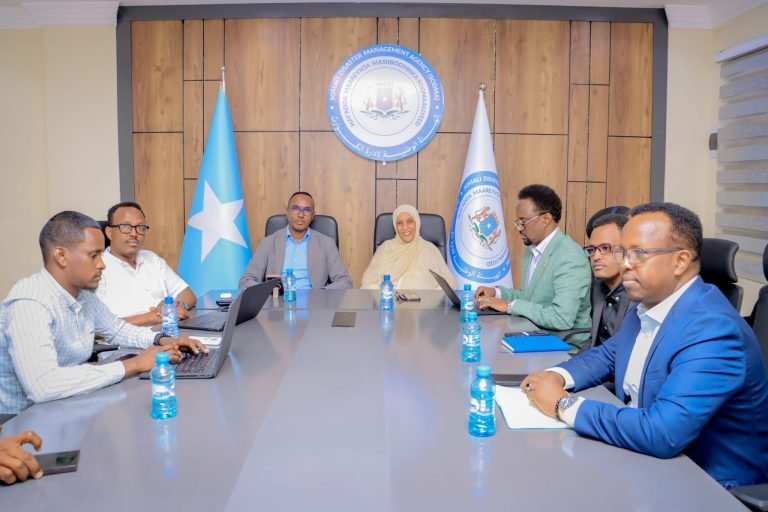
Building on lessons from 2023, when floods and drought displaced 2.3 million people and affected millions more, the government and humanitarian partners are supporting contingency planning, risk analysis, and coordination at national and state levels to strengthen readiness for potential flooding and displacement [citation:1]. SoDMA and health partners have been coordinating the El Niño response as the government works to move from rhetoric to resilience, holding a series of consultations to accelerate preparedness and strengthen coordination with relevant stakeholders to mitigate the risks [citation:6].
The Cabinet has endorsed a national El Niño preparedness plan as the country faces the threat of severe flooding, displacement, and disruption to agriculture and food security [citation:8]. Prime Minister Hamza Abdi Barre has visited SoDMA headquarters to review El Niño preparedness, receiving briefings on measures already in place to prepare for the anticipated rainfall [citation:8].
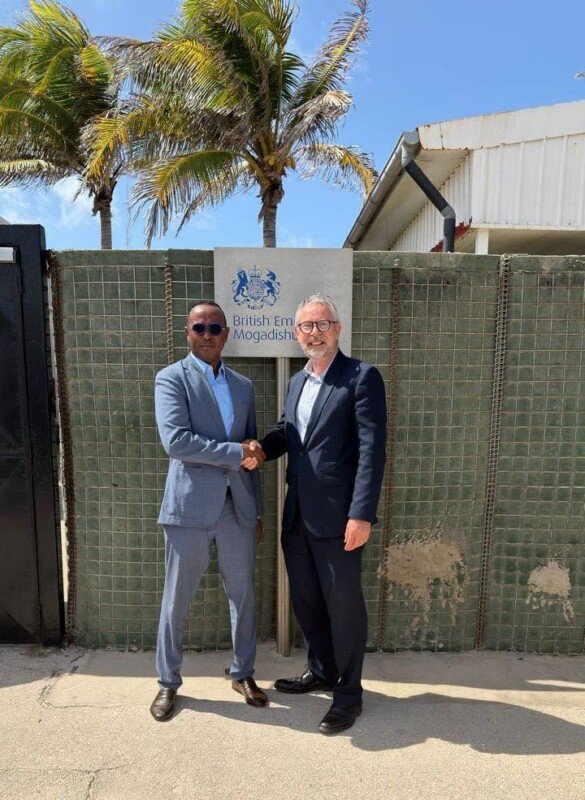
SoDMA and the UN have bolstered joint efforts to confront the escalating climate crisis, with Commissioner Mahamuud Moallim Abdulle and UN Deputy Envoy George Conway co-chairing strategy sessions to reinforce the country’s response to the climate emergency and assess the drought’s current path and its harsh effects on at-risk populations [citation:3].
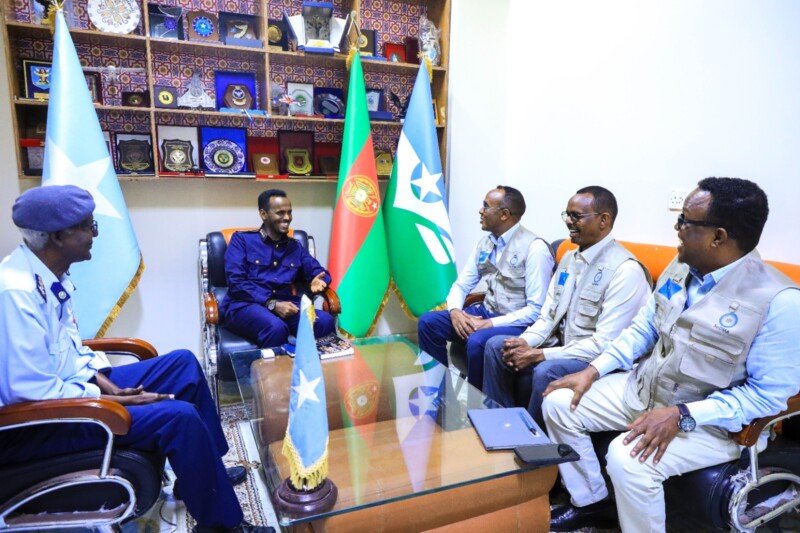
A joint assessment team led by Commissioner Abdulle and including Conway has also visited Kismayo to examine the consequences of the persistent drought and assess living conditions in internally displaced persons settlements near the city [citation:3].
The agency has pushed for tech-driven early warning systems to protect communities from recurring natural disasters, and has launched a World Bank-backed project to bolster disaster preparedness [citation:7].
Critical Note
While the government’s warning and the ongoing preparedness efforts are welcome, the scale of the anticipated crisis demands a sustained and well-funded response. The $852 million Humanitarian Needs and Response Plan remains critically underfunded, with humanitarian partners forced to scale back life-saving services even as needs remain exceptionally high [citation:1].
Furthermore, the rhythm of Somalia’s climate response has become painfully predictable: warnings are issued, meetings are held, plans are endorsed, and when the rains come, communities are once again submerged, displaced, and left to depend on emergency aid. The Super El Niño forecast is not an aberration but part of a pattern that has seen Somalia lurch from one climate crisis to the next, with little evidence of a sustained break in the cycle [citation:10].
The government’s ability to coordinate effectively with international partners and ensure that aid reaches those most in need will be a critical test of its disaster management capacity. Without sustained investment in early warning systems, health infrastructure, and community-level preparedness, the cycle of crisis and response will continue, with the Somali people bearing the heaviest burden.
Recommended Reading On ftlsomalia.com
- OCHA and Somali Government Scale Up El Niño Preparedness
- SoDMA and Health Partners Coordinate El Niño Response
- Cabinet Endorses National El Niño Preparedness Plan
- SoDMA and UN’s George Conway Hold Talks on Drought Response
- SoDMA Commissioner Warns of Super El Niño Threat at AU Meeting
- Somalia’s Disaster Agency Pushes for Tech-Driven Early Warning Systems