
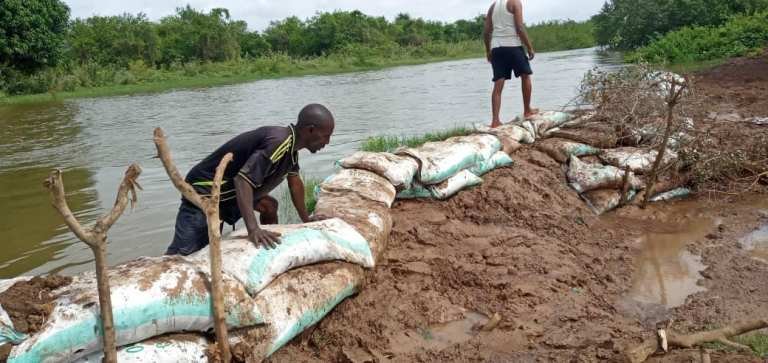
MOGADISHU — FAOSWALIM has released new data on the condition of the Shabelle River, reporting that 388 sites along the river were recorded in August 2026 as having flood-related conditions, including breaches, openings, and blockages.
The data shows that 150 sites recorded water overflowing the riverbanks, 147 sites were identified as open, 66 sites experienced canal flooding, and 25 sites were blocked. FAOSWALIM stated that this data, which focuses on the most vulnerable areas, is crucial for preparedness and taking urgent action before flooding occurs, particularly as the impact of El Niño is expected to intensify.
The agency also stated that data collection sites will be expanded when adequate resources are available, to obtain a comprehensive picture of the Shabelle River’s condition and flood risks.
The warning comes amid heightened concerns about the anticipated Super El Niño rains expected between October and December 2026, with forecasts indicating a high probability that the weather phenomenon will persist throughout the season, increasing the risk of widespread flooding across the country. Building on lessons from 2023, when floods and drought displaced 2.3 million people and affected millions more, the government and humanitarian partners are supporting contingency planning, risk analysis, and coordination at national and state levels to strengthen readiness for potential flooding and displacement.
Somalia has recently introduced a Multi-Hazard Early Warning System under the global Early Warnings for All framework, collaborating with the United Nations Development Programme and the Green Climate Fund. The initiative aims to reduce disaster-related deaths by 42 percent and extend early warning coverage from 20 percent to complete national coverage by 2030.
SoDMA Commissioner Mahamuud Moalim Abdulle has warned that Somalia, as the eastern gateway to the continent, is among the countries most vulnerable to the phenomenon’s destructive cycle of floods, droughts and displacement. The African Union has convened meetings bringing together member states and development partners to coordinate early warning systems, mobilize anticipatory action funding, and strengthen climate-resilient infrastructure.
UN agencies have warned that Somalia is facing a rapidly worsening hunger crisis that could push parts of the country toward famine without urgent humanitarian action and increased international funding. The 2026 Somalia Humanitarian Needs and Response Plan is currently only 15.2 percent funded.
Somalia has launched a World Bank-backed Catastrophe Deferred Drawdown Option (Cat DDO) project to strengthen the nation’s ability to respond to natural and climate-induced disasters, with tech-driven early warning systems to protect communities from recurring natural disasters.
The Federal Government has launched a new climate resilience initiative named “Activating Climate Resilient Agricultural Livelihoods in Somalia” (ACALS) to support farmers and pastoralists as the country faces persistent droughts and extreme weather conditions. The program will deliver climate-adapted technologies and livelihood support to vulnerable communities in Hirshabelle and Puntland states, supported by the African Development Bank and implemented jointly by WFP and UNOPS.
Critical Note
FAOSWALIM’s data on the Shabelle River’s condition highlights the urgent need for proactive flood preparedness, particularly as the El Niño season approaches. The identification of 388 flood-prone sites along the river underscores the scale of the risk facing communities in the Shabelle riverine areas.
While the government and humanitarian partners have made progress in early warning systems and contingency planning, the scale of the potential crisis requires sustained investment and coordination. The rhythm of Somalia’s climate response has become painfully predictable: warnings are issued, meetings are held, plans are endorsed, and when the rains come, communities are once again submerged, displaced, and left to depend on emergency aid. The Shabelle River’s condition is not an aberration but part of a pattern that has seen Somalia lurch from one climate crisis to the next, with little evidence of a sustained break in the cycle.
The expansion of data collection sites, as proposed by FAOSWALIM, is a welcome step, but must be accompanied by concrete action to address the vulnerabilities identified. Communities along the Shabelle River, who have endured repeated floods and displacement, deserve more than warnings and assessments, they deserve a sustained commitment to resilience and protection.
Recommended Reading On ftlsomalia.com
- Interior Minister Warns of Super El Niño Flooding
- Somalia Introduces Climate Early Warning System
- SoDMA Commissioner Warns of Super El Niño Threat
- UN Agencies Warn Somalia at Risk of Renewed Famine
- Somalia Launches World Bank-Backed Disaster Preparedness Project
- Somalia Launches Climate Resilience Project