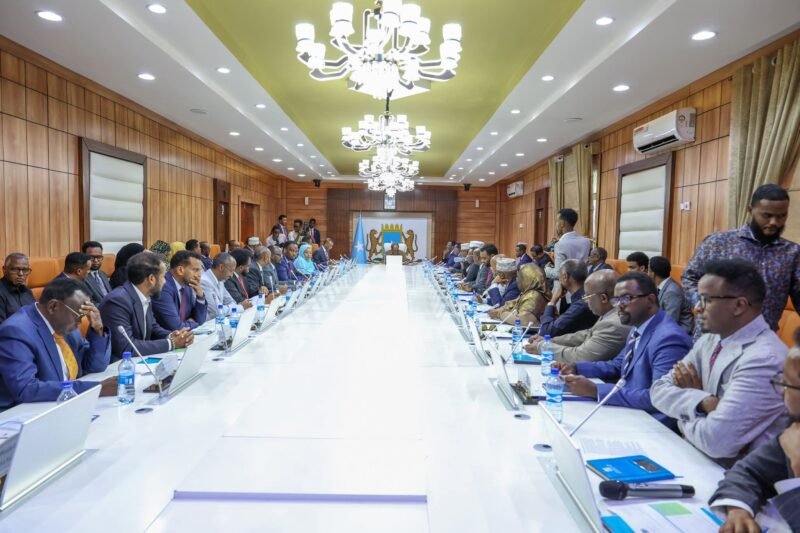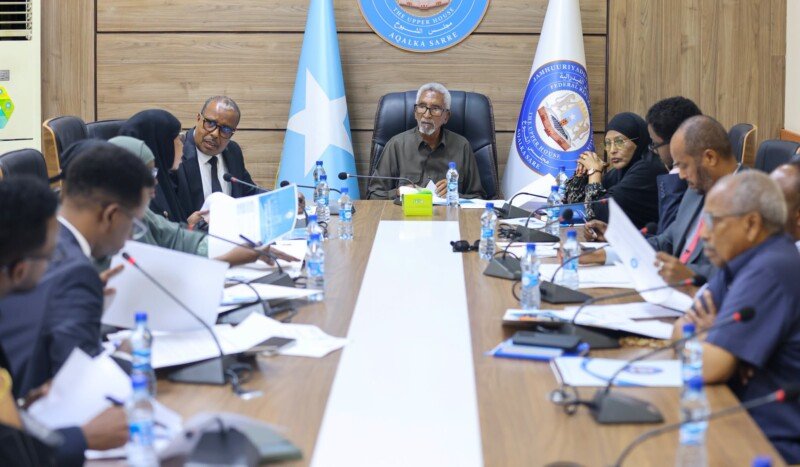

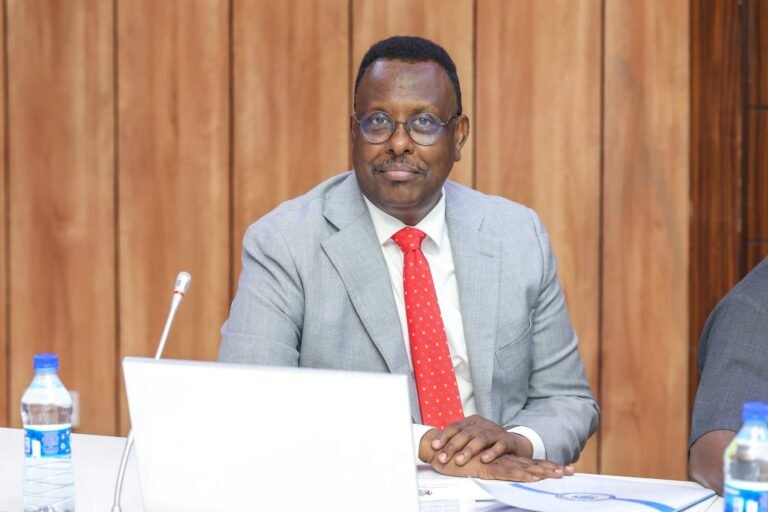
MOGADISHU: The Council of Ministers convened on Sunday to discuss the implementation plan for Somalia’s recently adopted constitution, outlining a roadmap for establishing key national institutions over the next four years. The cabinet also reviewed the outcome of the one‑person, one‑vote elections in the South West State, endorsed multiple international agreements, and approved the promotion of a new ambassador to the United Nations.
Chaired by Prime Minister Hamza Abdi Barre, the weekly session received a detailed presentation from the Ministry of Justice and Constitutional Affairs on the constitutional implementation framework, complete with a timeline and operational mechanisms. The plan aims to ensure all constitutional provisions are implemented within the period 2026 to 2029. The Prime Minister noted that the constitution officially took effect after being signed by the president and published in the official gazette. President Hassan Sheikh Mohamud signed the new Federal Constitution into law on 8 March 2026, marking the formal end of Somalia’s provisional era and setting the stage for significant structural reforms. The adoption followed a highly polarised parliamentary process, with opposition groups and regional administrations rejecting the amendments.
The Ministry of Justice indicated that the cabinet would soon review a resolution identifying priority constitutional tasks for the upcoming 12 months, taking into account the country’s current situation and institutional requirements. These priorities include establishing key national bodies such as the Judicial Service Council and the National Revenue Authority. The cabinet has previously ratified several legal frameworks and policies aimed at enhancing federal governance, including the Somali Airports Authority Bill, the Anti‑Smuggling and Human Trafficking Bill, and international maritime safety conventions.
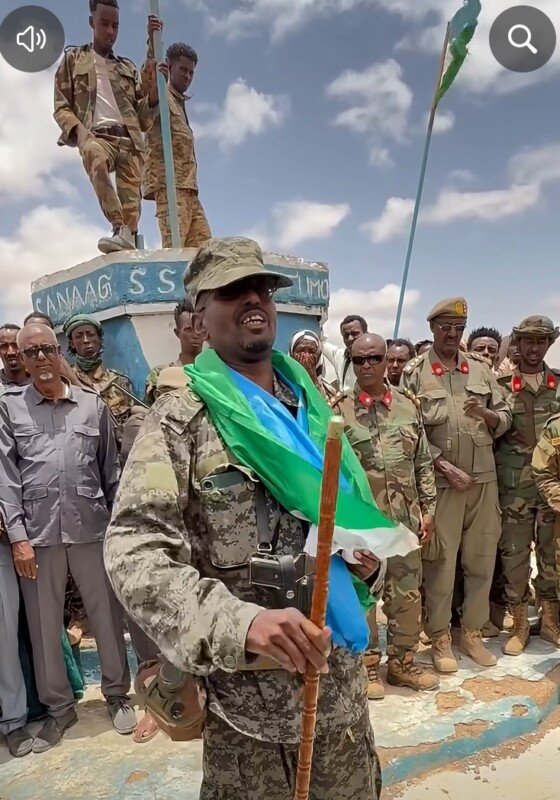
The cabinet also received updates on the recent one‑person, one‑vote elections in South West State districts. President Mohamud praised the peaceful conduct of the polls, describing them as “a new chapter in Somalia’s history.” More than 376,000 voters were registered, with 394 parliamentary candidates and 1,297 local council aspirants contesting seats across 13 districts. The National Independent Electoral and Boundaries Commission (NIEBC) had previously confirmed the polling date, and security measures were heightened throughout the state to ensure a safe voting environment.
The Council of Ministers discussed ongoing electoral consultations led by President Mohamud. The president had formally invited the Somali Future Council to a national consultative meeting scheduled for May 10, 2026, as part of federal efforts to promote inclusive political dialogue. However, the president has since insisted that his term extends until May 15, 2027, under the revised constitutional amendments, a position the opposition has rejected, deepening the political standoff.
Additionally, the Council of Ministers approved the promotion of Mohamed Rabie Yusuf to the rank of ambassador. He will serve as Somalia’s second ambassador to the United Nations, reinforcing the country’s diplomatic presence at the world body. Somalia currently holds a non‑permanent seat on the UN Security Council for the 2025‑2026 term, having been elected in June 2024 with 179 votes. The country also assumed the rotating presidency of the Security Council in January 2026.
The cabinet also endorsed several major national policies, agreements, and regulations, including the National Policy for Sports Development in Somalia. The government has recently hosted a marathon to promote peace and youth engagement, and the Ministry of Youth and Sports has expressed commitment to expanding athletic programs across federal member states. The cabinet approved regulations for reactivating and integrating the national social insurance system, aimed at strengthening social protection frameworks. The flagship Baxnaano programme, Somalia’s first national safety‑net initiative, has been accelerated in partnership with the World Bank and WFP, providing cash transfers to the most vulnerable households. The government has also launched high‑level social protection talks to expand coverage of essential services, including social insurance and labor market programs.
Other approvals included an investment promotion and protection agreement with Saudi Arabia, the renewal of an education cooperation agreement with Turkey, and the law governing district councils in the Banadir Region. The cabinet’s decisions reflect the government’s broader agenda to consolidate governance reforms, strengthen institutional capacity, and enhance international partnerships as Somalia navigates a complex political transition.
Recommended Reading on ftlsomalia.com:
- President Hassan Sheikh Signs New Federal Constitution
- South West State Elections Begin with 394 Parliamentary Candidates
- Somalia Takes UN Security Council Presidency
- Baxnaano Programme Implementation Accelerated
- 300 Young Athletes Compete in Mogadishu Marathon
- Cabinet Approves Laws to Boost Governance, Security
- President Commends Peaceful Southwest Elections
- Somalia Launches High-Level Social Protection Talks
- President Insists Term Continues Amid Opposition Rejection
- Electoral Commission Postpones Deadline, Announces South West State Polling Date