
MOGADISHU — The Banadir Regional Administration has announced the allocation of 1,058 plots of land to families allegedly affected by Mogadishu’s urban “modernization” projects, as the government continues its campaign to redevelop the capital while facing mounting accusations of land grabbing and corruption.
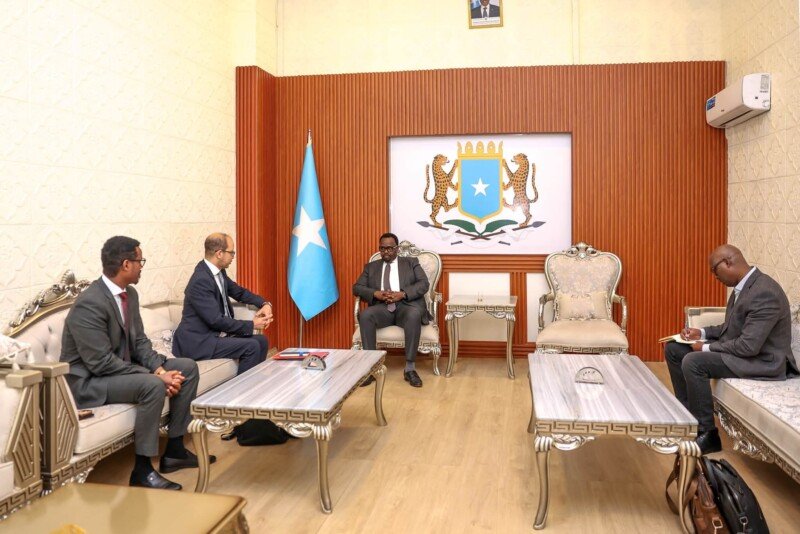
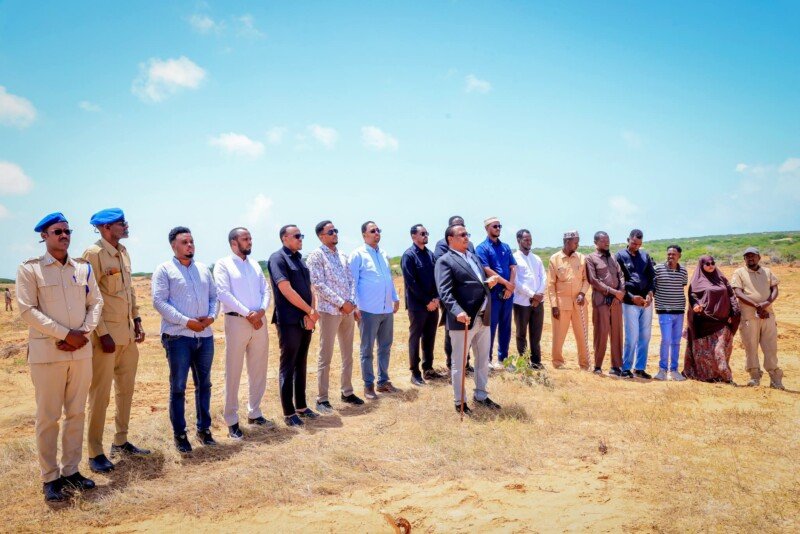
Governor of Banadir Region and Mayor of Mogadishu, Dr. Hassan Mohamed Hussein (Muungaab), inspected the Haaji-Cabdi area in the Gubadley district, where the administration claims it has planned the resettlement of families displaced by road construction and other development projects. The area has reportedly been provided with a free primary and secondary school, as well as basic services including water and electricity, with plans for a market, mosque, and health center.
Mayor Muungaab stated that the initiative is being implemented in line with the directives of President Hassan Sheikh Mohamud, who has ordered that the “modernization” of the capital be accompanied by the protection of citizens’ rights and dignity. However, critics have dismissed this framing as a smokescreen for what they describe as a systematic land grab benefiting politically connected elites.
The 1,058 plots are being transferred free of charge to families whose homes were affected by road construction in densely populated areas, according to the administration. The Mayor also announced that the resettlement plan will be expanded, with new land allocations planned in the Daarusalaam, Kaxda, and Garasbaaley districts.
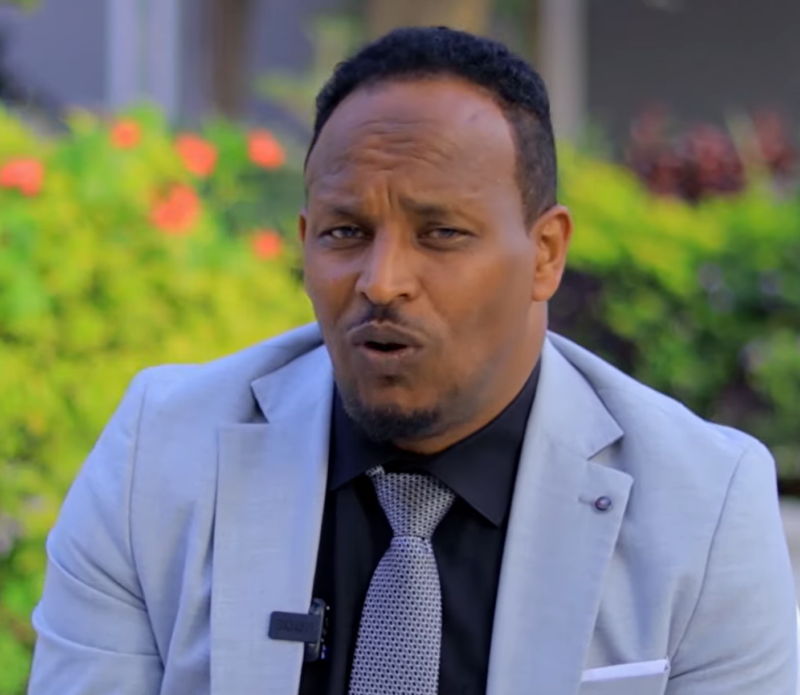
The announcement comes amid growing accusations that the government’s “modernization” campaign is a cover for land grabbing and corruption. Former Prime Minister Omar Abdirashid Ali Sharmarke has strongly condemned the ongoing evictions and demolitions, specifically citing Buulo Elay and the two Tokyo neighbourhoods in Howlwadaag and Yaqshiid districts, where he said tens of thousands of people have been displaced. “The displacement of tens of thousands of people… without consultation with the community, is an entirely unacceptable and painful matter,” Sharmarke said.
The Union of Somali Islamic Scholars Councils has called on the federal government to halt actions that deprive citizens of their property rights, urging President Hassan Sheikh Mohamud, Prime Minister Hamza Abdi Barre, the Banadir regional administration, and relevant government institutions to independently investigate the complaints and hold accountable anyone found to have abused their authority.
Families in Mogadishu’s Wabari district previously took to the streets to protest forced evictions, with demonstrators criticising President Hassan Sheikh Mohamud and accusing Turkey of supporting what they described as a “bloody hand” in Somalia. Somali government forces used live ammunition against residents resisting eviction from their homes, according to reports. “We have nowhere to go. We are civilians. We are being robbed,” a woman said while protesting the forced evictions in Wabari.
The land allocations come amid accusations that government officials and their associates are using the “modernization” campaign to acquire valuable land in Mogadishu. Banadir Governor Muungaab’s claims that the administration is acting under presidential directives have been met with skepticism by critics who note that the government has consistently failed to follow due process in land disputes. Former President and opposition leader Sheikh Sharif Sheikh Ahmed has issued a stark warning that the country’s fragile statehood is “on the brink of collapse” due to what he called rampant and unlawful land seizures by politically connected elites.
The government’s emphasis on providing “free” plots to displaced families has been met with skepticism given the lack of transparency in the land allocation process. Critics have pointed out that the Ministry of Public Works and Housing’s plan to build 10,000 housing units, while ambitious, raises questions about funding and implementation.
Critical Note
The Banadir Administration’s land allocation to families affected by urban “modernization” is presented as a humanitarian initiative, but the broader context of forced evictions, the use of live ammunition against protesters, and the lack of due process raises serious questions about the government’s true intentions. The government’s framing of the demolitions as “modernization” obscures the reality that the land in question has become a prize for politically connected elites and businessmen.
The promise of 1,058 plots in Gubadley and plans for expanded resettlement in Daarusalaam, Kaxda, and Garasbaaley offer hope to some displaced families, but the scale of displacement far exceeds the government’s capacity to resettle. The United Nations has warned that more than 142,000 internally displaced people have been forcibly evicted from temporary shelters since the start of 2025, with the majority of those evictions taking place in urban settlements across Mogadishu, Baidoa, and Kismayo. The government’s resettlement efforts address only a fraction of this population.
The pattern of forced evictions, demolitions, and violent clashes in Wabari, Yaqshiid, and Daynile demonstrates that these are not isolated incidents but part of a broader crisis. The allegations of politically connected land grabs, the involvement of security forces in evictions, and the targeting of opposition figures suggest that the problem extends beyond individual cases to systemic governance failures. The international community must press for accountability and the protection of property rights, recognizing that land disputes are not merely local grievances but threats to Somalia’s long-term stability.
Recommended Reading On ftlsomalia.com
- “Unacceptable”: Former PM Slams Displacement as Banadir Governor Defends Land Clearance
- Religious Leaders Call on Government to Halt Land Grabs
- Mogadishu Residents Protest Forced Evictions in Wabari District
- Violence Erupts in Mogadishu as Residents Protest Demolition of Homes
- Ex-President Sharif Warns Somalia Risks Collapse
- Families in Yaqshiid Protest Alleged Land Grabs