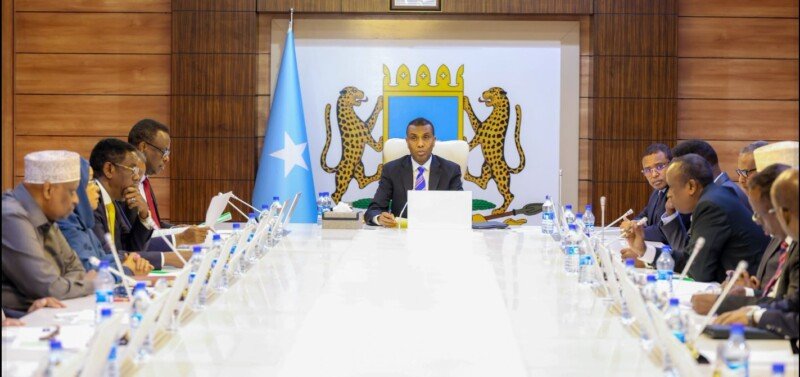

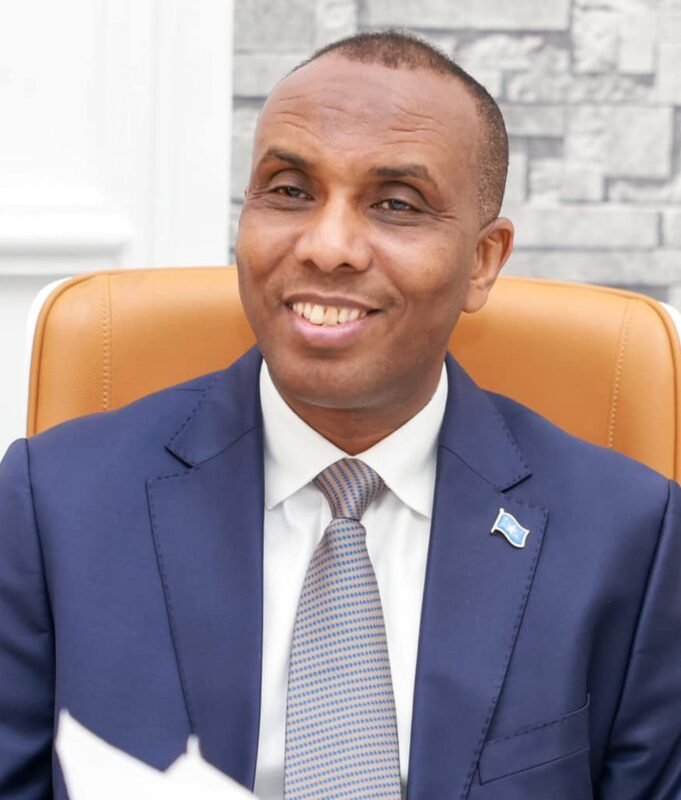
MOGADISHU: Prime Minister Hamza Abdi Barre has announced that the Federal Government is willing to engage with opposition factions and consider diverse political perspectives, but stressed that his administration will not accept actions perceived as threats to national security and stability. Addressing rising political tensions in the capital, the Prime Minister emphasized that Somalia’s political framework is founded on dialogue and mutual respect, noting that opposition is a legitimate component of governance. Nevertheless, he asserted that authorities would respond to any activities considered to destabilize state institutions or compromise public security.
The statement arrives as discontent with the Federal Government intensifies regarding security management, the demolition of civilian residences, the detention of journalists and government critics, and persistent disagreements about political and electoral procedures. Hamza accused some opposition figures of inciting instability for political advantage, asserting that certain politicians were driven by power struggles and foreign-supported interests. “We cannot tolerate efforts to undermine the nation’s security and stability by politicians motivated by personal ambitions and foreign financing,” the Prime Minister declared.
The address occurs during a heated political discourse in Somalia concerning governance, security challenges, and allegations by opposition factions and civil society organizations of limitations on freedom of expression and management of political matters. The Federal Government has consistently justified its actions, maintaining that such measures are essential for maintaining security and safeguarding national stability. Opposition leaders have not yet issued an official response to the Prime Minister’s recent comments.
The Prime Minister’s pronouncement highlights the increasing political polarization in Somalia as the government encounters escalating criticism from opposition politicians, journalists, and civil society organizations. Although the Prime Minister openly welcomed dialogue, his stern warnings against what he characterized as dangers to national stability suggest that rifts between the government and its detractors are intensifying. Tensions have recently boiled over into armed clashes between rival security factions in the capital following government-led evictions in the Warlaliska neighborhood. The address appears intended to assert authority during a period when Somalia faces numerous challenges, including security threats from Al-Shabaab, disagreements regarding governance reforms, and apprehensions about civil liberties.
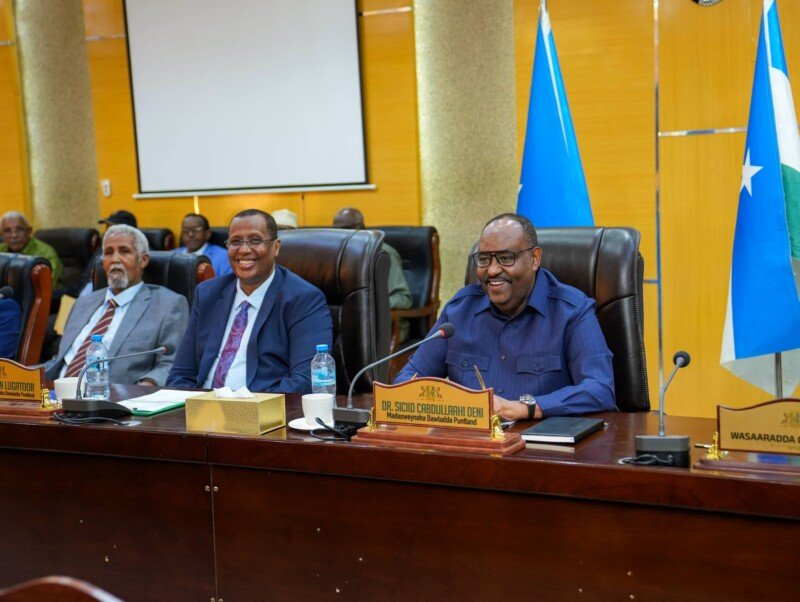
The Prime Minister’s remarks come as the government is navigating a complex political landscape. The Somali Future Council has warned of a deepening political crisis over election deadlines, while the government has maintained that it remains committed to dialogue. Opposition leaders have declared that President Hassan Sheikh Mohamud will lose his legal authority after May 15 unless national elections are conducted or a constitutional alternative is agreed upon.
Observers may view the government’s stance as an effort to suppress dissent under the guise of national security, whereas supporters might perceive it as a vital initiative to avert political instability during a critical juncture. The opposition’s reaction in the forthcoming days could influence whether the political environment shifts toward dialogue or heightened confrontation.