
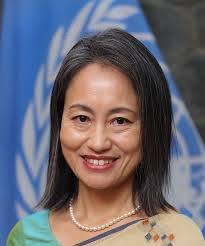
MOGADISHU: For Somalis confronting drought, increasing hunger and displacement, the solution lies not in additional temporary measures but in continuous development investment for lasting recovery, stated UN Assistant Secretary-General and UNDP Crisis Bureau Director Shoko Noda.
Speaking after her visit to Somalia from 3 to 6 May 2026, Noda warned that the country’s fragile progress is being undermined by aid cuts, prolonged drought, and soaring living costs. “If we wait for stability before investing in development, we risk losing both. Development is what restores trust, creates jobs and prevents crisis relapse,” she said.
According to the Somalia Humanitarian Needs and Response Plan, the country is home to approximately 3.3 million internally displaced persons (IDPs), while nearly 5 million people require humanitarian assistance. Somalia is also undergoing a major transition as it assumes greater responsibility for security and state-building, with the UN political mission nearing its conclusion.
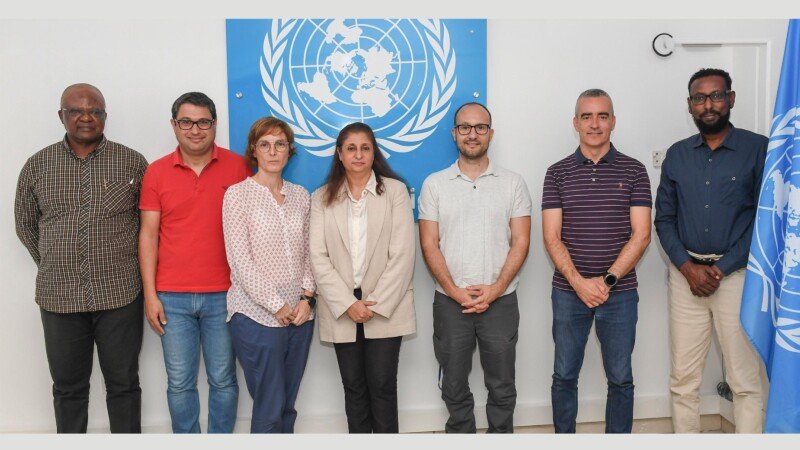
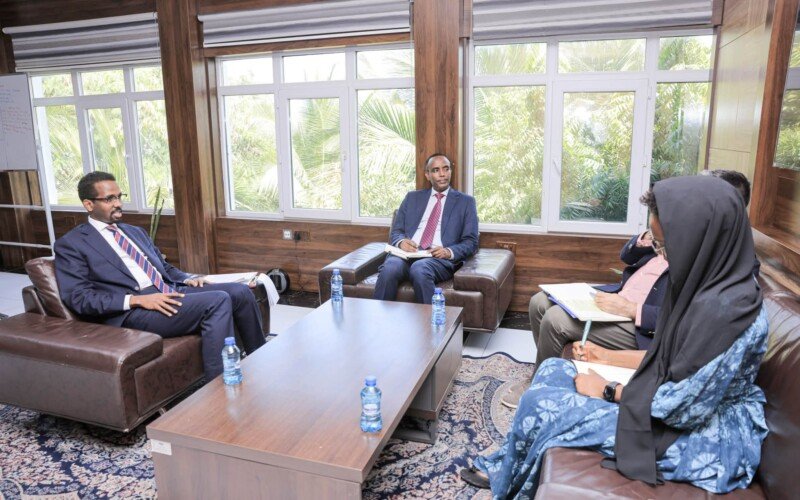
During her mission to Mogadishu and the coastal city of Bosaso, Noda met with government officials, donors, and local communities. Discussions with the Deputy Prime Minister and ministers responsible for interior, finance, planning and foreign affairs focused on job creation, service delivery, and development financing. With multidimensional poverty affecting two-thirds of the population and annual economic growth hovering around 3 percent, expanding livelihood opportunities remains a significant challenge.
“In Somalia this week, I saw both the scale of need and the potential for recovery,” Noda said. “Sustaining peace will depend on whether development reaches communities and trust is restored between people and institutions.”
Drought Response and Climate Resilience
At a government-chaired roundtable on drought response, Noda highlighted the worsening impacts of climate change on water availability and food security. Acute hunger levels nationwide have doubled within the past year, with approximately 4.4 million Somalis expected to face crisis-level food insecurity between April and June 2026. She called for greater investment in adaptive capacity, including renewable energy sources, water infrastructure, and disaster preparedness measures.
Solutions for Internal Displacement
For 2026, UNDP will host the United Nations Solutions Champions to Internal Displacement Group. Noda stressed that solutions must be government-led, supported by strengthened national institutions, and backed by coordinated and innovative financing under the leadership of the UN Resident Coordinator. The government has committed to placing 1 million internally displaced persons on a solution pathway through its National Solutions Pathways Action Plan, which integrates humanitarian, peace, development, and climate agendas.
Bosaso: Local Solutions Taking Root
During her visit to Bosaso, a major port city in Puntland, Noda observed areas where longer-term recovery programs are being implemented. In the Girible settlement, displaced families are securing land tenure and transitioning into permanent homes, while local markets are creating new opportunities for women-led businesses. She also toured a fisheries training facility where young people are gaining practical skills linked to local labor market demands.
Youth Employment at Elman Peace Centre
At the Elman Peace Centre in Mogadishu, Noda met with young people receiving vocational training and job placement assistance in market-driven fields such as plumbing, coding, solar technology, and electronics repair. Many of the participants come from displacement-affected backgrounds and are preparing to enter the workforce. Vocational training programs like these are seen as crucial steps in empowering Somali youth and fostering economic growth.
With three in every four Somalis under the age of 30, expanding access to employment and skills development is considered essential for long-term stability. “When young people have work, dignity and opportunity, the risks of renewed conflict and displacement begin to recede,” said Noda. “In a context where vulnerability and insecurity remain high, expanding access to jobs and services is essential to reduce risks, strengthen resilience and prevent a return to crisis.”
Throughout her mission, Noda emphasized the importance of collaborative partnerships, acknowledging the contributions of the Somali government, regional administrations, UN agencies, and donor countries including Switzerland, the European Union, Japan, and the Republic of Korea.