
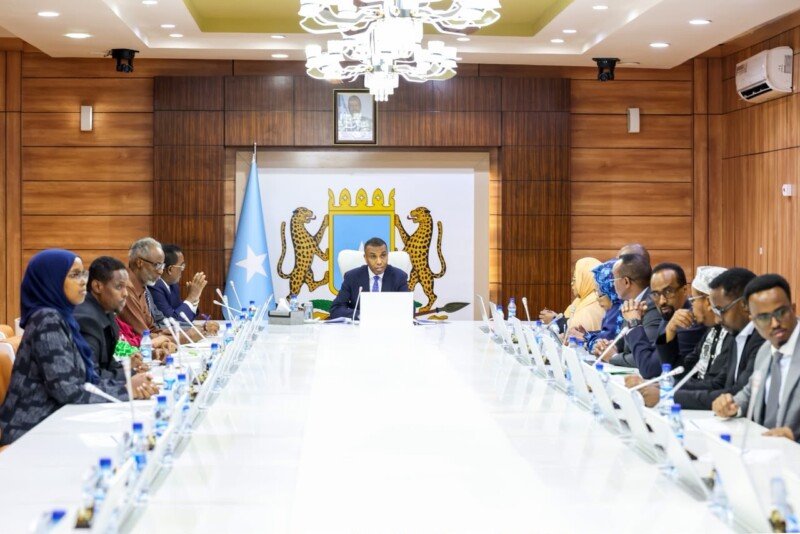
MOGADISHU — Prime Minister Hamza Abdi Barre has chaired the first meeting of the National Disaster Risk Management Committee, which reviewed the country’s drought situation and concerns over potential severe flooding as the Deyr rains are expected to begin in parts of Somalia.
The Prime Minister directed the committee to intensify public awareness on flood risks, particularly for communities living near rivers and waterways, while strengthening emergency response and coordinating relief efforts. The committee presented updates on disaster preparedness, emergency response plans and public awareness campaigns targeting communities in low-lying and flood-prone areas.
Somalia is highly vulnerable to climate-related disasters, including droughts and floods, which have repeatedly displaced communities, damaged infrastructure and worsened food insecurity. According to the World Food Programme’s latest Country Brief for August 2026, one third of Somalia’s population, six million people, is facing acute hunger or worse, including nearly two million people in emergency levels of hunger. WFP requires USD 198 million for the next six months but faces an urgent shortfall of USD 147 million.
Preparing for the Deyr Rains and El Niño
The meeting comes as authorities prepare for the upcoming Deyr rainy season, traditionally one of Somalia’s two main rainy periods. The latest climate forecasts point to a dangerous outlook: prolonged dry conditions through October, followed by an elevated risk of El Niño-related flooding before the end of the year. At a time when households are already struggling with weak purchasing power and repeated shocks, flooding could further disrupt livelihoods, markets and food access.
The Minister of Interior, Federal Affairs and Reconciliation, Ali Yusuf (Ali Xoosh), has warned the Somali public about the risk of floods and flash floods linked to the anticipated Super El Niño weather phenomenon, urging communities to take precautionary measures and remain vigilant.
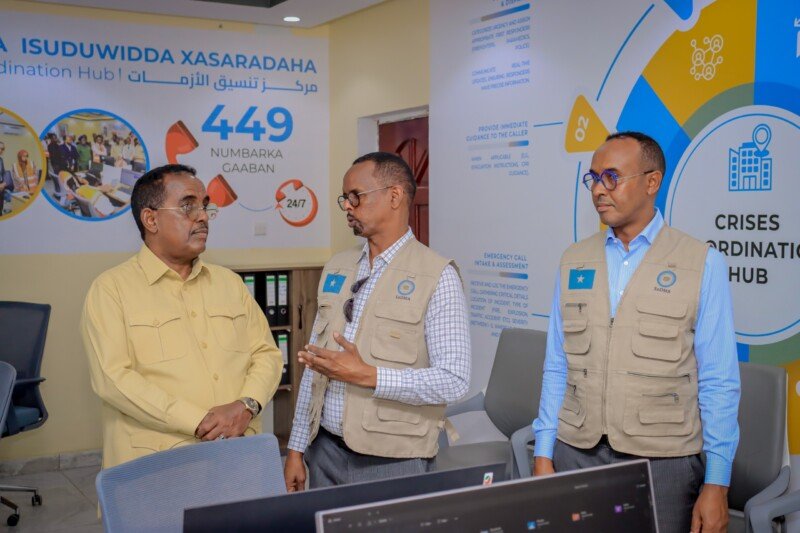
The Somali Disaster Management Agency (SoDMA) has been actively engaged in humanitarian response across the country, recently distributing emergency food aid to vulnerable families in the Caabudwaaq district of the Galgadud region. SoDMA Commissioner Mahamuud Moallim Abdulle has led humanitarian assessment missions and launched relief efforts for displaced families in Beledhawo.
SoDMA has also convened high-level consultative forums with Islamic humanitarian organizations to confront the nation’s severe and mounting drought crisis, with priority areas including water trucking, food security, healthcare services, and shelter for displaced populations.
Strengthening Disaster Preparedness and Response
Building on lessons from 2023, when floods and drought displaced 2.3 million people and affected millions more, the government and humanitarian partners are supporting contingency planning, risk analysis, and coordination at national and state levels to strengthen readiness for potential flooding and displacement.
Somalia has launched a World Bank-backed Catastrophe Deferred Drawdown Option (Cat DDO) project to strengthen the nation’s ability to respond to natural and climate-induced disasters. SoDMA Commissioner Mahamuud Moalim said the initiative comes at a time when international humanitarian assistance is declining, underscoring the need for Somalia to build stronger, self-sustaining systems of resilience.
SoDMA has also collaborated with the Displacement Tracking Matrix (DTM) in Nairobi to enhance data-driven decision-making in disaster response, focusing on using accurate, real-time data to improve coordination, planning, and emergency response efforts.
SoDMA has also sought to strengthen its partnership with the International Organization for Migration (IOM), with both agencies agreeing on the need for a joint strategic plan to enhance their ability to respond to emergencies and support affected populations.
Critical Note
The establishment of the National Disaster Risk Management Committee represents a significant step toward institutionalizing disaster preparedness in Somalia. However, the effectiveness of this committee will depend on whether it can translate planning into concrete action. Past disasters have exposed the government’s limited capacity to respond to large-scale emergencies, with communities often left to fend for themselves in the critical hours following floods or droughts.
The government must ensure that this committee has the resources, authority, and coordination mechanisms needed to deliver timely and effective responses. Without sustained investment in early warning systems, infrastructure, and community preparedness, the committee risks becoming another bureaucratic exercise rather than a genuine driver of change. The international community must support these efforts while holding the government accountable for delivering on its commitments.
Recommended Reading On ftlsomalia.com
- Six Million Somalis Face Acute Hunger as WFP Struggles with Severe Funding Shortfall
- SoDMA Launches Food Aid Distribution for Vulnerable Families in Caabudwaaq
- Somalia Launches World Bank-Backed Project to Bolster Disaster Preparedness
- SoDMA Commissioner Hosts Strategic Meeting with Islamic Aid Organizations
- SoDMA and DTM Meet in Nairobi to Strengthen Data-Driven Disaster Response